
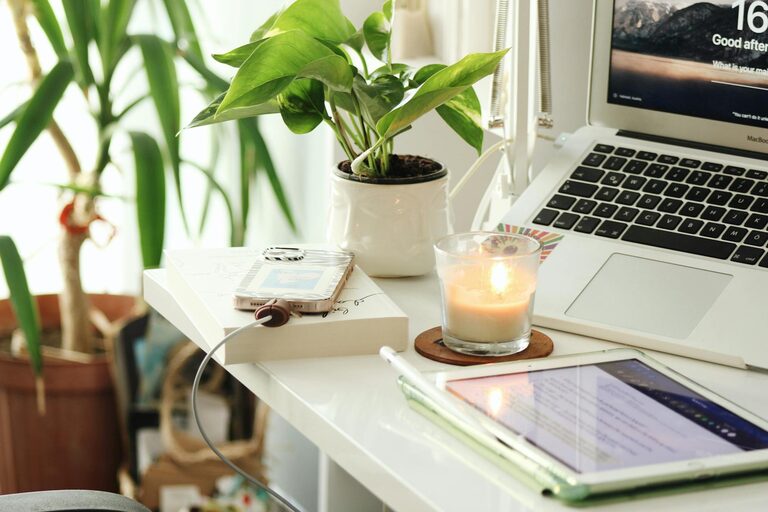
Creating a home workspace that feels both relaxing and productive can significantly impact your work quality and overall well-being. Whether you work remotely full-time or occasionally need a quiet space for tasks, the right environment helps reduce stress and boost focus. In this post, we’ll explore helpful tips to transform your home workspace into a comfortable haven that inspires efficiency and calm.
Why a Relaxing Workspace Matters
Designing your workspace with comfort and tranquility in mind is not just about aesthetics. A well-planned area helps you maintain concentration, reduces distractions, and supports mental health by creating a clear separation between work and relaxation zones. When your workspace feels inviting, you’re more likely to enjoy your tasks and experience less fatigue.
Choosing the Right Location
Find a Quiet Spot
Start by selecting a space in your home that is away from heavy foot traffic and noise. If possible, choose a room with a door to limit interruptions. If a separate room isn’t available, a corner in a less frequented part of your home can work well.
Natural Light Matters
Position your desk near a window to take advantage of natural light. Daylight can elevate mood and energy levels, making your work hours more pleasant. If natural light is limited, invest in quality artificial lighting that mimics daylight to reduce eye strain.
Furnishing for Comfort and Function
Invest in an Ergonomic Chair
Comfortable seating supports good posture, preventing back and neck pain. Choose a chair with adjustable height and lumbar support to fit your body perfectly.
Choose a Suitable Desk
Your desk should offer enough space for your computer, notes, and any tools you regularly use. A clutter-free desk promotes focus, so consider desks with built-in storage or add organizers as needed.
Add Personal Touches
Include a few meaningful objects—like family photos, plants, or art—that bring you joy without creating clutter. Personal touches can make your workspace feel more inviting.
Organizing for Efficiency
Keep Essentials Within Reach
Arrange your most-used items close at hand to reduce unnecessary movement. Use drawer organizers, desk trays, or shelves to keep supplies tidy and easy to find.
Declutter Regularly
Set a weekly or monthly routine to tidy your workspace. Dispose of old papers, tidy cables, and dust surfaces to maintain a clean environment that supports focus.
Incorporating Calming Elements
Include Greenery
Plants not only improve air quality but also have a calming effect. Small potted plants or succulents are low-maintenance options that brighten up your desk.
Use Soothing Colors
Soft, neutral tones like pale blues, greens, or warm beiges create a peaceful atmosphere. You can incorporate these colors through wall paint, artwork, or accessories like cushions and rugs.
Consider Aromatherapy
Scents like lavender, eucalyptus, or peppermint can help reduce stress and improve concentration. Use a diffuser or lightly scented candles—but be mindful of any sensitivities or allergies.
Managing Noise and Distractions
Use Noise-Canceling Headphones
If external noise is unavoidable, noise-canceling headphones can help you stay focused.
Create a Quiet Routine
Communicate your working hours to household members and establish signals for when you should not be disturbed.
Maintaining Work-Life Balance
Set Clear Boundaries
Try to keep your work confined to your designated workspace. Avoid working in bed or on the couch to help your brain associate your workspace with productivity.
Take Regular Breaks
Incorporate short breaks to stretch, move around, or simply breathe deeply. Breaks improve concentration and prevent burnout.
End Your Day with a Ritual
Signal the end of your workday by closing your laptop, tidying the desk, or stepping outside for fresh air. This helps you mentally switch from work mode to personal time.
Final Thoughts
Creating a relaxing home workspace is a valuable step toward enhancing your productivity and well-being. By choosing the right location, investing in ergonomic furniture, organizing efficiently, and adding calming touches, you set yourself up for a balanced, enjoyable work experience. Remember, a space that feels good to be in makes work feel less like a chore—and more like an opportunity.