Creating a home workspace that is both cozy and productive is essential for anyone working or studying from home. When your workspace is inviting and well-organized, it can help reduce stress, increase focus, and enhance your overall work experience. Whether you have a dedicated room or just a corner in your living area, these tips will help you make the most out of your home office setup.
1. Choose the Right Spot
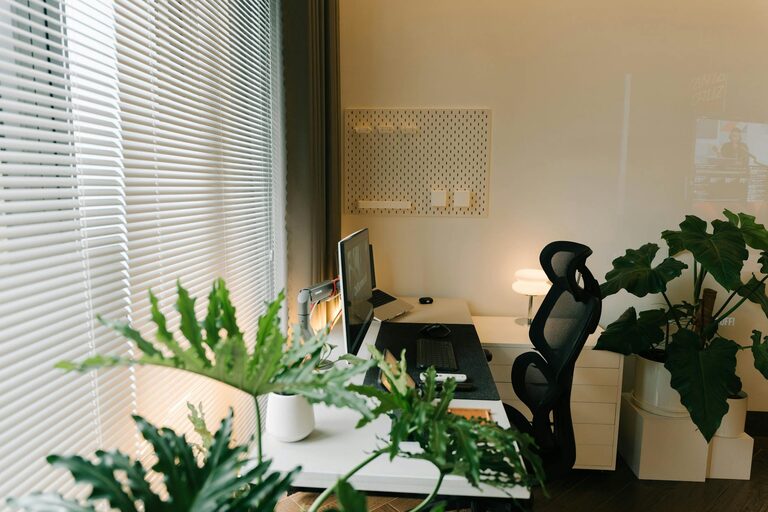
Finding the ideal location for your workspace is the first and most important step. Ideally, select a quiet area with minimal distractions and good natural light. If possible, position your desk near a window to enjoy daylight, which can improve mood and energy levels. Make sure the spot has access to power outlets for your electronic devices.
If space is limited, consider creative solutions like a fold-down desk or using a multi-purpose room that can easily transform from living space to work area.
2. Invest in Comfortable and Supportive Furniture
Your comfort during work hours matters a lot. Invest in an ergonomic chair that supports your back and encourages good posture. A desk at the right height will prevent strain on your wrists and shoulders.
If you spend many hours seated, consider these key points:
– Chair with adjustable height and lumbar support
– Desk that allows your elbows to be at a 90-degree angle when typing
– Footrest if your feet don’t comfortably reach the floor
Comfortable furniture reduces fatigue and helps you stay focused longer.
3. Keep Your Workspace Organized
Clutter can be distracting and make it harder to focus. Use simple organizing tools such as:
– Desk organizers for pens, paper, and small supplies
– Filing cabinets or boxes for documents
– Cable management solutions to keep cords tidy
Make a habit of tidying your desk at the end of each day to start fresh the next morning.
4. Personalize Your Space Thoughtfully
Adding personal touches makes your workspace feel welcoming and uniquely yours. Consider adding:
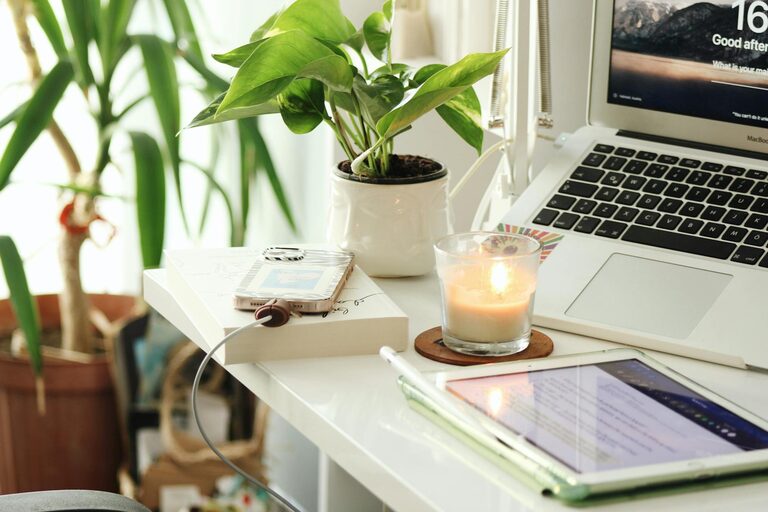
– A small plant to bring some greenery and fresh air
– Photos or artwork that inspire you
– A cozy throw or cushion to add softness
While personalization is great, avoid overcrowding your desk with too many items; keep the area functional and uncluttered.
5. Optimize Lighting for Comfort and Productivity
Lighting has a big impact on your energy and eye comfort. In addition to using natural light, supplement your workspace with:
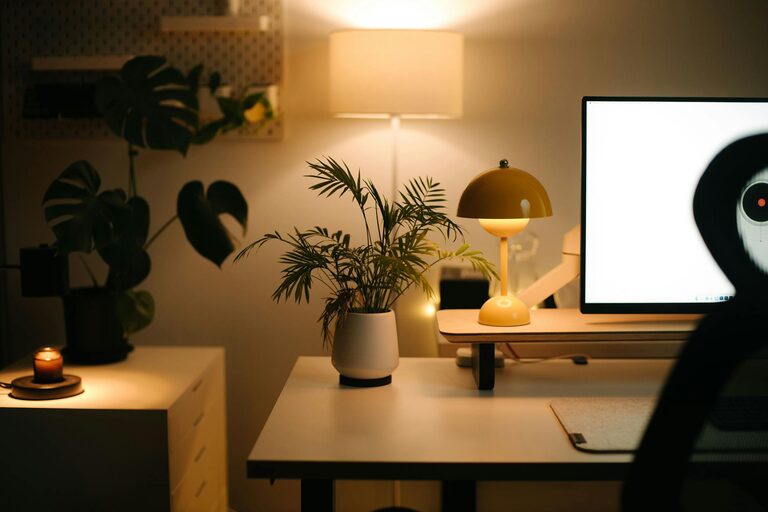
– A desk lamp with adjustable brightness
– Warm, soft bulbs to avoid glare
– Position lighting to reduce screen reflections
Good lighting reduces eye strain and helps you stay alert throughout your workday.
6. Minimize Noise and Distractions
If you live in a noisy household or neighborhood, try these tricks to create a quieter environment:
– Use noise-canceling headphones or earbuds
– Play low-volume background music or white noise
– Set boundaries with family members about your work hours
A calm, distraction-free environment encourages deep concentration.
7. Incorporate Break Zones or Movement
Even in a small space, try to create an area where you can step away for quick breaks. Stretching or moving around periodically is crucial for your physical and mental well-being. If possible, keep a yoga mat or small exercise equipment nearby, or simply stand while making phone calls.
8. Use Technology Wisely
Leverage technology tools that help improve your workflow:
– Use a reliable Wi-Fi connection and charging stations
– Organize digital files for easy access
– Utilize productivity apps like calendars or task managers
Keep your devices updated and maintain secure backups of important work.
9. Maintain Good Air Quality
A well-ventilated workspace contributes to your comfort and alertness. Keep a window open when weather permits or use an air purifier. Indoor plants can also improve air quality and add a calming touch to your environment.
10. Set Clear Work Boundaries
Finally, defining when and how you work helps keep your home and work life balanced. Use a dedicated workspace whenever possible, and “leave” work at the end of your day by tidying your desk or shutting down your computer.
Clear boundaries can enhance your productivity during work hours and help you relax afterwards.
—
Creating a home workspace that’s cozy and productive is within reach with some thoughtful planning and simple adjustments. By focusing on comfort, organization, lighting, and setting boundaries, you can transform any space into an efficient and pleasant place to work. Start with these tips and adapt your workspace over time to meet your evolving needs.