Creating a comfortable and productive home office is essential for anyone working or studying from home. A well-designed workspace can help reduce distractions, improve focus, and boost your overall work efficiency. Whether you have a dedicated room or just a small corner, this guide will walk you through practical steps to transform your space into a place you enjoy spending time in.
Choose the Right Location
The first step in setting up a home office is deciding where to place it. This depends on your available space, but keep these factors in mind:
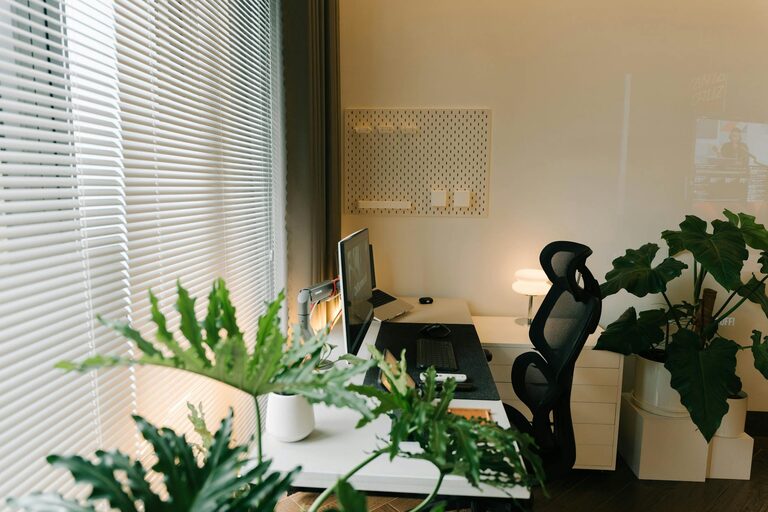
– Natural Light: Working near a window can improve mood and reduce eye strain.
– Quiet Area: Select a spot away from household noise and high-traffic zones.
– Space Availability: Make sure there is enough room for your desk, chair, and any equipment you need.
If possible, avoid setting up your office in a bedroom to help separate work and rest areas.
Invest in a Comfortable Chair and Desk
Your furniture is key to creating a space where you can work for long hours without discomfort.
– Ergonomic Chair: Choose a chair with good lumbar support, adjustable height, and comfortable cushioning.
– Desk Size: A desk large enough to hold your computer, notebook, and any other essentials is important. Consider options with adjustable heights so you can switch between sitting and standing.
– Desk Setup: Keep frequently used items within easy reach to avoid unnecessary stretching or strain.
Organize Your Equipment and Supplies
A cluttered workspace can hinder productivity. Organize your equipment and supplies with these tips:
– Use Storage Solutions: Drawers, shelves, or organizers help keep your desk tidy.
– Cable Management: Use clips or sleeves to prevent cables from tangling and creating visual clutter.
– Minimal Essentials: Keep only what you need on your desk to maintain a clean, focused environment.
Optimize Lighting for Comfort and Focus
Good lighting reduces eye strain and keeps you alert.
– Natural Lighting: As mentioned, maximize daylight but avoid glare on your computer screen by adjusting blinds or curtains.
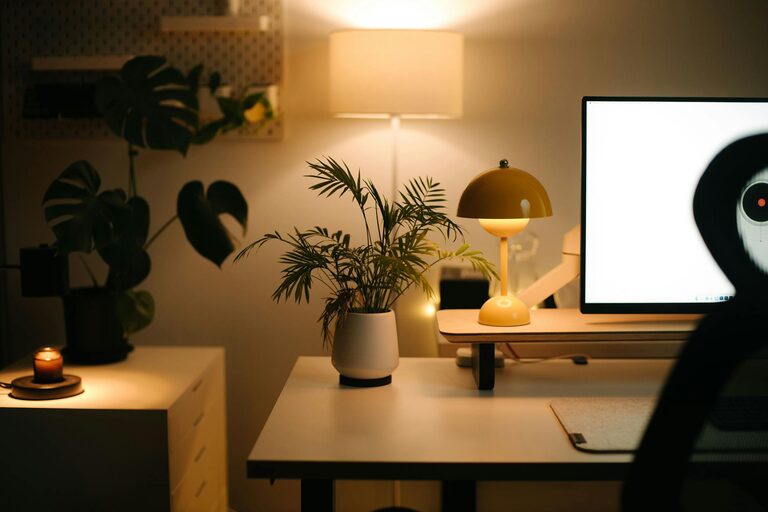
– Task Lighting: A desk lamp with adjustable brightness can provide focused light for reading or detailed work.
– Ambient Lighting: Use soft overhead lights to create a warm, inviting atmosphere.
Personalize Your Space
Adding personal touches makes your workspace more inviting but be careful not to overdo it.
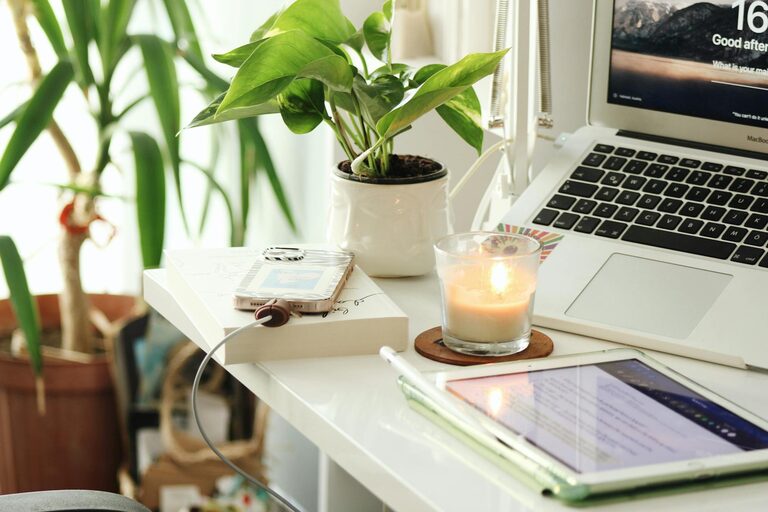
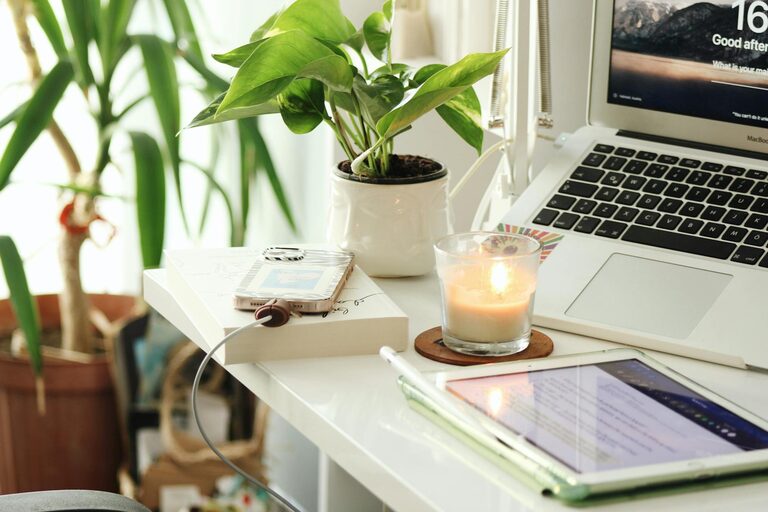
– Plants: Small indoor plants can improve air quality and add a calming effect.
– Artwork or Photos: Display a few pieces that inspire or motivate you.
– Colors: Use colors that promote productivity, such as soft blues or greens.
Establish a Routine and Boundaries
Your environment supports your routine, but it’s also important to set boundaries.
– Set Work Hours: Keep regular start and finish times to separate work from personal life.
– Take Breaks: Step away from your desk periodically to stretch and rest your eyes.
– Avoid Distractions: If possible, inform family members of your work hours to minimize interruptions.
Maintain Good Air Quality and Temperature
A comfortable temperature and fresh air help keep you alert and focused.
– Ventilation: Open windows when possible or use an air purifier.
– Adjust Temperature: Aim for a comfortable room temperature, typically between 68 to 72 degrees Fahrenheit.
Use Technology Wisely
Technology is essential but can also be a source of distraction.
– Reliable Internet: Ensure you have a stable internet connection.
– Noise-Cancelling Headphones: Useful for blocking out background noise.
– Digital Tools: Use applications or software to stay organized and manage your tasks effectively.
Keep It Flexible
Finally, remember that your home office setup can evolve.
– Try Different Layouts: Rearrange furniture periodically if needed.
– Adjust for Comfort: Pay attention to what works and what doesn’t, making changes accordingly.
– Upgrade Over Time: Invest in better equipment as your needs change.
—
With these tips, you can create a home office space that supports your well-being and productivity. A thoughtful setup not only helps you focus but also makes working from home a more enjoyable experience. Start small, personalize your space, and refine it as you go to find what best fits your style and work habits.