Creating a cozy and inviting home workspace can transform your work-from-home experience. When your workspace feels comfortable and personalized, it not only enhances productivity but also supports your well-being throughout the day. Whether you have a dedicated room or a small corner, these tips will help you create a space that balances function and comfort.
Choose the Right Location
Consider Natural Light
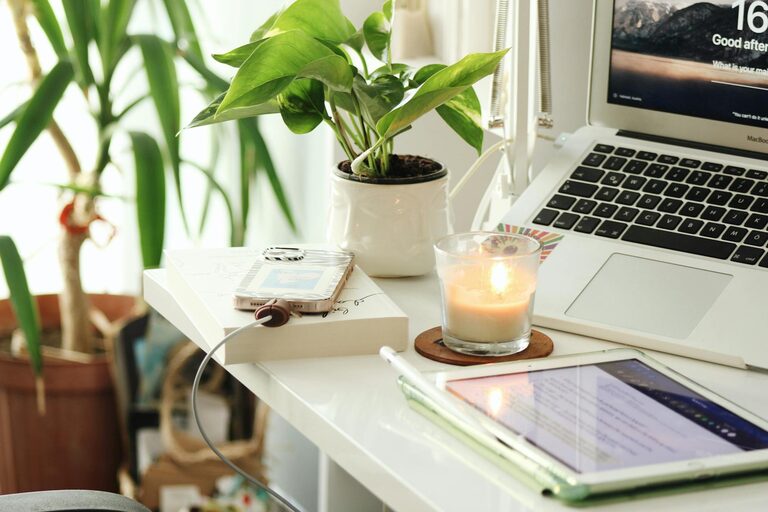
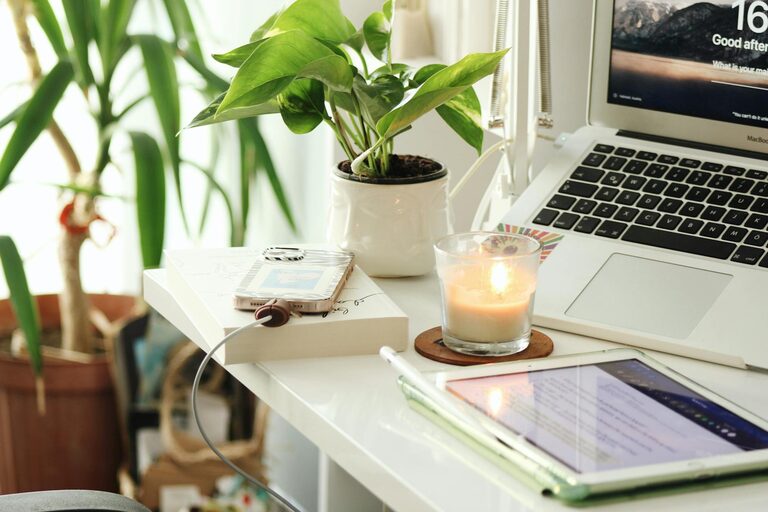
Positioning your workspace near a window has many benefits. Natural light boosts mood and reduces eye strain, creating a healthier and more pleasant environment. If natural light is limited, consider full-spectrum bulbs that mimic daylight.
Minimize Distractions
Choose a quiet spot or use room dividers to separate your workspace from noisy areas. This helps maintain focus and establishes a clear boundary between work and home life.
Invest in Comfortable Furniture
Ergonomic Chair
A supportive chair is a must-have for long work hours. Look for adjustable features like height, lumbar support, and armrests to prevent discomfort and promote good posture.
Functional Desk
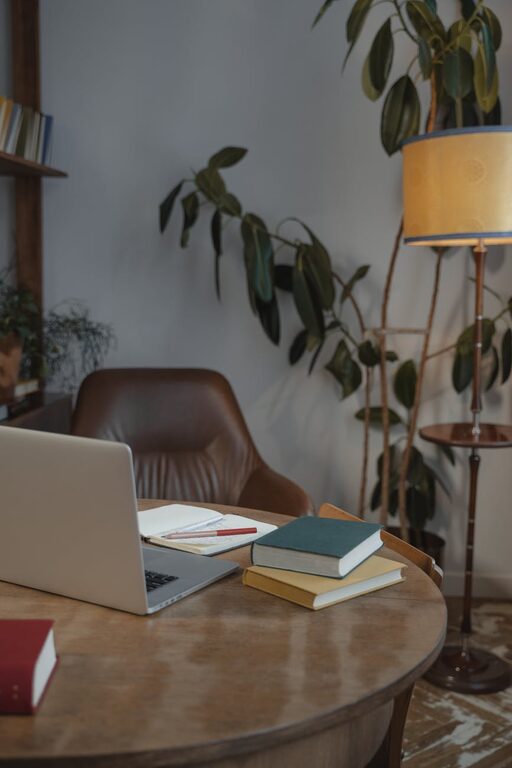
Select a desk with enough surface area for your essentials – laptop, monitor, notebooks, and any tools you use daily. Adjustable or standing desks are great options to encourage movement throughout the day.
Personalize Your Space
Add Cozy Textiles
Incorporate soft elements like cushions, a throw blanket, or a small rug. These add warmth and make your workspace feel more inviting.
Choose Calming Colors
Colors affect mood. Soft, neutral hues such as light blues, greens, or gentle grays create a calming atmosphere. If you prefer brighter tones, balance them with muted accents.
Include Plants
Houseplants bring life and freshness into your workspace. They can improve air quality and reduce stress, making your area feel more vibrant and welcoming.
Organize for Efficiency and Clarity
Declutter Regularly
Keep your desk tidy by regularly removing unnecessary items. A clean environment helps keep your mind clear and focused.
Use Storage Solutions
Use shelves, drawers, or organizers to keep supplies within reach but out of sight when not needed. Label containers or bins for easy access.
Cable Management
Tidy cords with clips or cable sleeves to avoid tangles and maintain a neat look.
Incorporate Good Lighting
Task Lighting
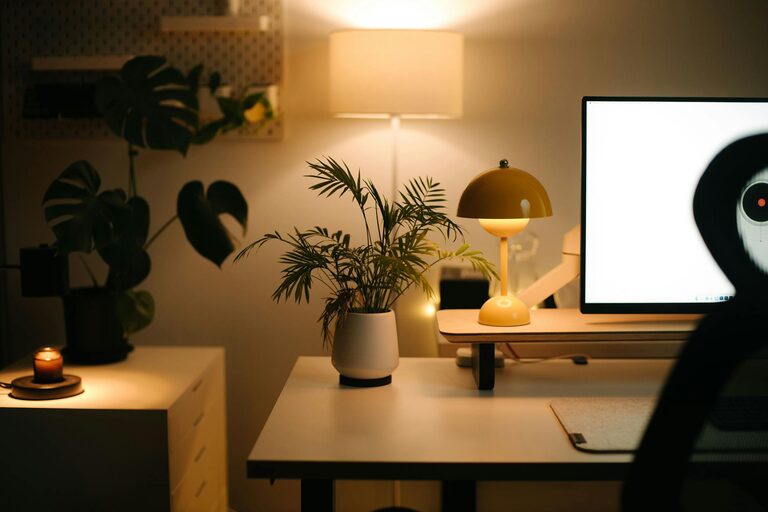
Adjustable desk lamps provide focused lighting for detail work, reducing eye fatigue.
Ambient Lighting
Complement your workspace with soft, ambient lighting such as floor lamps or wall sconces to reduce harsh shadows.
Create a Positive Ambience
Warm Scents
Use subtle scents, like essential oil diffusers or scented candles, to create a relaxing atmosphere.
Background Sounds
If silence feels isolating, gentle background music or white noise can enhance concentration. Choose sounds that suit your preference and work style.
Take Breaks and Move
Space for Stretching
Leave some open space nearby for quick stretches or standing breaks. Moving regularly helps prevent stiffness and refreshes your mind.
Visual Breaks
Position your workspace so you can look away from screens and enjoy a view or some decor, giving your eyes a rest.
Keep Technology in Check
Reliable Equipment
Invest in good quality hardware like a fast computer and ergonomic peripherals to avoid frustration.
Limit Distractions
Disable unnecessary notifications or use apps to help manage your focus during work hours.
—
Designing a cozy and inviting home workspace takes a bit of planning, but the benefits are well worth it. By choosing the right location, investing in comfortable furniture, personalizing your space, organizing effectively, and paying attention to lighting and ambience, you can create an environment where work feels less like a chore and more like a productive, peaceful activity. Start small, experiment with what makes you comfortable, and watch how your new workspace inspires you each day.