
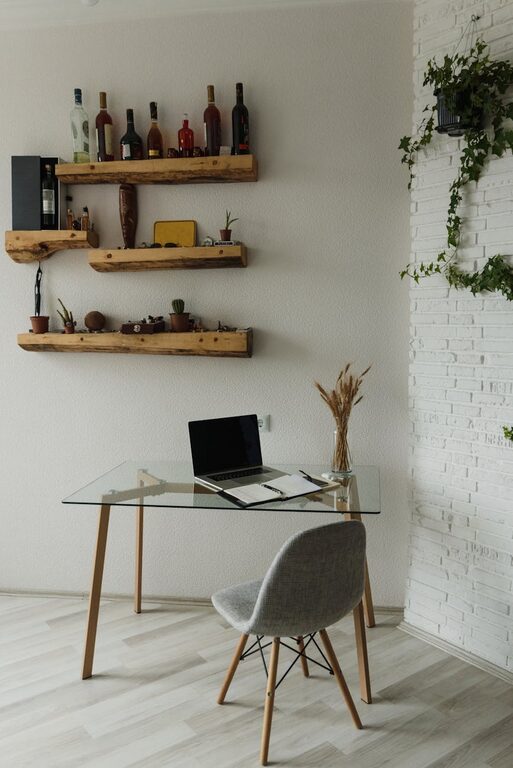
Creating a cozy and organized home workspace is essential for anyone who works remotely or spends time on personal projects at home. A well-designed space can improve focus, increase comfort, and reduce stress, making it easier to stay productive throughout the day. Whether you have a dedicated room or just a small corner, there are simple ways to transform your area into a functional and inviting workspace.
Why a Cozy and Organized Workspace Matters
When your workspace is comfortable and orderly, your mind can focus better on tasks without distractions. Clutter or discomfort can lead to frustration, while a pleasant environment promotes creativity and motivation. By combining coziness and organization, you create a space where work feels less like a chore and more like an enjoyable activity.
1. Choose the Right Location
Start by selecting a spot in your home that suits your needs.
– Natural Light: Position your desk near a window if possible. Natural light helps reduce eye strain and improves mood.
– Quiet Area: Pick a spot with minimal noise and interruptions to help maintain concentration.
– Space Availability: Make sure there is enough room for your equipment, storage, and movement.
2. Invest in Comfortable Furniture
Your furniture affects your comfort and health over long periods.
– Ergonomic Chair: Choose a chair that supports your back and promotes good posture.
– Desk Height: Make sure your desk is at a height where your forearms can rest comfortably while typing.
– Additional Seating: Consider adding a small comfy chair or pad nearby for breaks.
3. Optimize Lighting
Good lighting enhances both coziness and productivity.
– Layered Lighting: Combine ambient lighting from overhead lights with focused task lighting like a desk lamp.
– Warm Bulbs: Use bulbs with a warm color temperature to create a soothing atmosphere.
– Adjustability: Lamps with dimmer switches or adjustable arms allow you to control light levels based on your needs.
4. Keep Your Workspace Organized
Organization reduces distractions and saves time.
– Declutter Regularly: Take a few minutes at the end of each day to clear your desk.
– Use Storage Solutions: Bins, shelves, and drawer organizers keep supplies tidy and accessible.
– Cable Management: Use clips or sleeves to prevent cords from tangling and cluttering your desk.
– Label Everything: Labels make it easier to find items and maintain order.
5. Personalize for Comfort and Inspiration
Adding personal touches makes your workspace inviting.
– Plants: Small indoor plants can improve air quality and add a touch of nature.
– Artwork or Photos: Display images that inspire or make you happy.
– Cozy Textiles: Add a soft throw blanket or cushion for warmth and comfort.
– Scent: Use a subtle diffuser or candle with your favorite fragrance—but keep it light to avoid distractions.
6. Incorporate Functional Technology
Technology should support your work without creating chaos.
– Monitor Stand: Raises your screen to eye level, improving posture.
– Wireless Accessories: Reduce wire clutter with wireless keyboards and mice.
– Charging Station: A designated spot for charging devices keeps cords contained.
– Backup Storage: Use external drives or cloud storage to organize digital files and free up computer space.
7. Set Boundaries Between Work and Relaxation
Creating a visual or physical division helps separate work from personal life.
– Room Dividers: Use a folding screen or curtains if your workspace shares a room.
– Defined Desk Area: Use a rug or desk mat to mark your space clearly.
– End-of-Day Routine: Close a laptop, cover the desk, or turn off task lights as signals that work time is over.
8. Maintain Your Space Regularly
Keeping your workspace in shape is an ongoing effort.
– Weekly Clean-Up: Schedule time to dust, wipe surfaces, and organize drawers.
– Review Workflow: Adjust your setup periodically to improve efficiency.
– Remove Unnecessary Items: Be honest about what is essential and what is just taking up space.
—
Creating a cozy and organized home workspace doesn’t require a complete redesign or expensive tools. By focusing on comfort, organization, and personalization, you can set up a space that supports your work goals and makes you feel good. Start with small changes, and watch how your productivity and well-being improve.